What to do during a boil water notice
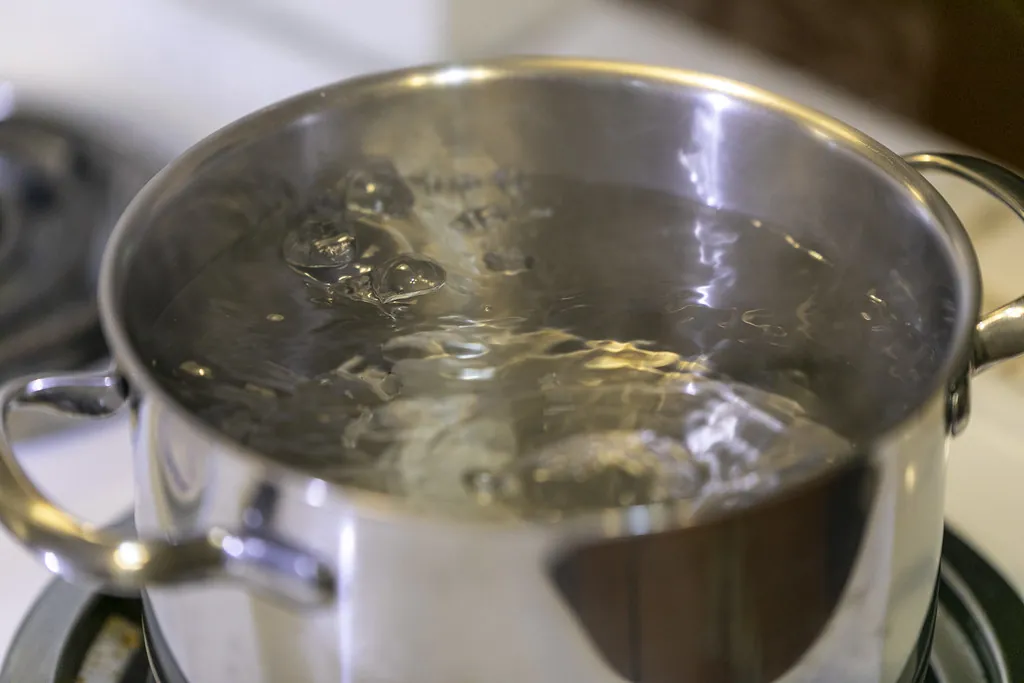
Quick answer: use bottled water, or bring tap water to a rolling boil for 1 minute (3 minutes above 6,500 feet) and let it cool before you drink it, cook with it, or brush your teeth. (Centers for Disease Control and Prevention)
What the notice means
A boil water notice means germs may be in the tap water, and boiling kills them. Two other notices are stricter. A do not drink notice means boiling will not help, so use bottled water for drinking and cooking. A do not use notice means bottled water for everything. (Centers for Disease Control and Prevention) Follow the exact notice from your water utility or health department.
Around the house
- Drinking and cooking: bottled or boiled water only. Boil tap water even if it went through a filter or a filter pitcher.
- The refrigerator: skip the water and ice dispensers.
- Brushing teeth: boiled or bottled water.
- Babies: use ready-to-use formula if you can, and give young children a sponge bath so they do not swallow water.
- Dishes: a dishwasher is generally fine if it has a sanitizing cycle or a final rinse of at least 150°F. To wash by hand, wash and rinse as usual, then soak the dishes for at least 1 minute in 1 teaspoon of unscented bleach per gallon of warm water and let them air-dry.
- Laundry: wash clothes as usual.
- Pets: bottled water, or boiled water that has cooled.
All of these come from the CDC guidance on drinking water advisories. (Centers for Disease Control and Prevention)
Be ready for the next one
A few days of stored water makes a notice much easier. Plan on 1 gallon per person per day. (Ready.gov (FEMA); Centers for Disease Control and Prevention; FEMA and the American Red Cross) The guide to storing water at home covers containers and rotation, and the food and water calculator works out how much your household needs.
The free 72-hour household plan has the boil and bleach steps on one page. Every number on this page is listed with its source on the sources page.